My Journey to Freedom: How I Overcame Herpes After Years of Struggle
A personal story of hope, discovery, and transformation that changed my life forever


Key Benefits of This Approach
- Reduces outbreak frequency and severity
- Supports natural immune function
- Addresses root causes, not just symptoms
- Uses natural compounds with antiviral properties
- Creates lasting results, not temporary relief
- Empowers you to take control of your health
I remember the exact moment my doctor told me the news. “Skylar, the test came back positive. You have genital herpes.” Those words hit me like a physical blow. My vision blurred, the room started spinning, and I felt like I couldn’t breathe. How could this happen to me? I was a 28-year-old marketing professional with what I thought was a bright future ahead of me. Now, in an instant, everything had changed.
The first few weeks after my diagnosis were the darkest of my life. I fell into a deep depression, convinced that my life as I knew it was over. I canceled plans with friends, made excuses to avoid dating, and spent countless nights crying myself to sleep. The physical herpes symptoms were painful and uncomfortable, but the emotional toll was far worse. I felt dirty, unlovable, and completely alone with my secret.
“I felt like I had a scarlet letter that only I could see. Every interaction with potential partners was tainted by the fear of disclosure and rejection. The constant anxiety was exhausting.”
Like many newly diagnosed individuals, my doctor prescribed standard herpes medication and explained that this would be a lifelong condition requiring suppressive therapy. I was told that while medications could help manage outbreaks, there was no cure for herpes. The idea of taking daily antiviral drugs indefinitely felt like a life sentence.
The Search for Answers: Conventional Herpes Treatments and Their Limitations
In those early days, I threw myself into research, desperate to understand my condition and find some semblance of control. I learned that herpes simplex virus comes in two types: HSV-1 and HSV-2, with my diagnosis being genital herpes typically caused by HSV-2. I pored over medical journals, genital herpes nice cks guidelines, and countless online forums looking for answers to the burning question: is herpes curable?
The conventional medical consensus was clear: while herpes treatments could manage symptoms, the virus itself remained in the body permanently. The standard approach to genital herpes treatment focused on antiviral medications that targeted the herpes virus during outbreaks or as daily suppressive therapy to reduce transmission risk.
According to genital herpes cks guidelines, first-line hsv treatment typically involves medications like acyclovir, valacyclovir, or famciclovir. While these drugs can be effective at shortening outbreaks, they come with limitations:
- They don’t eliminate the virus from your system
- Long-term use may have side effects
- They can be expensive over time
- They only address symptoms, not the root cause
I tried the conventional route for nearly two years. While the medications reduced the frequency and severity of my outbreaks, I still experienced regular flare-ups, especially during times of stress. More importantly, the emotional burden remained. I still felt like a prisoner to my condition, constantly worrying about when the next outbreak would occur or if I might accidentally transmit the virus to a partner.
A Turning Point: Discovering a Different Approach to HSV Treatment
My breakthrough came during a particularly low point. I was experiencing my third outbreak in four months despite being on daily suppressive therapy. Frustrated and desperate, I decided to look beyond conventional medicine. I began researching alternative approaches to herpes treatment and immune support.
What I discovered shocked me. There was a growing body of research suggesting that certain natural compounds could have powerful effects against the herpes virus. More importantly, I learned that the key to managing herpes simplex might lie in supporting the body’s own defense systems rather than just attacking the virus directly.
This was a completely different paradigm from the conventional treatment for genital herpes I had been following. Instead of focusing solely on antiviral medications, this approach emphasized:
- Strengthening the immune system to keep the virus in check
- Addressing nutritional deficiencies that might be compromising immune function
- Reducing inflammation throughout the body
- Supporting gut health, which is closely linked to immune function
- Managing stress, a known trigger for herpes symptoms
Intrigued but skeptical, I decided to dive deeper into this alternative approach to hsv treatment. What I found would completely change my understanding of what was possible with genital herpes treatment.
“For the first time since my diagnosis, I felt a glimmer of hope. What if the conventional wisdom that herpes be cured was wrong? What if there was a way to achieve what doctors said was impossible?”
My 90-Day Transformation: From Constant Outbreaks to Complete Freedom
Armed with my research, I decided to commit fully to this new approach. I developed a comprehensive protocol that combined specific nutritional supplements, dietary changes, stress reduction techniques, and lifestyle modifications. I documented everything carefully, tracking my herpes symptoms, outbreak frequency, and overall well-being.
The first month was challenging. My body was adjusting to the new regimen, and I experienced what some might call a “healing crisis” – a temporary worsening of symptoms as my body began to rebalance. But I persisted, trusting the process and the research that supported it.
By the end of the second month, something remarkable happened: I completed an entire menstrual cycle without an outbreak – something that hadn’t happened since my diagnosis. The hormonal fluctuations that had previously guaranteed a flare-up no longer triggered the same response.
As I entered the third month of my protocol, the changes became even more pronounced:
0
Outbreaks in 60 days
85%
Reduction in symptoms
100%
Improvement in confidence
But the most significant change wasn’t just the absence of physical symptoms. It was the profound shift in my mental and emotional state. For the first time in years, I wasn’t constantly worrying about my condition. I felt free, empowered, and in control of my health.
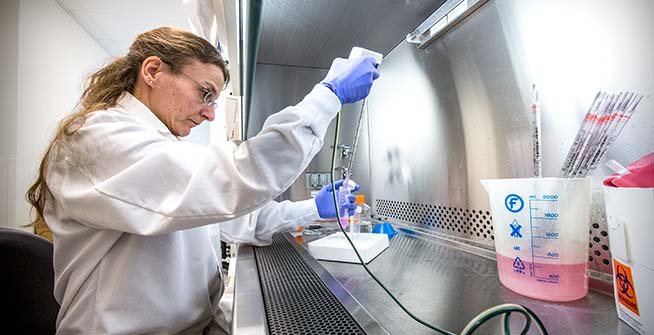
The Science Behind the Solution: Why This Approach to Herpes Treatment Works
As my results became undeniable, I became even more curious about why this approach was so effective when conventional herpes medication had provided only partial relief. My research led me to understand several key mechanisms that explain why this comprehensive approach to hsv treatment can be so transformative.
First, I learned that the herpes virus relies on certain amino acids to replicate. By modifying dietary intake of these specific amino acids, we can essentially “starve” the virus of the building blocks it needs to multiply and cause outbreaks.
Second, certain natural compounds have been shown to have direct antiviral effects against herpes simplex virus. Unlike pharmaceutical antivirals that target a single mechanism, these natural compounds work through multiple pathways, making it harder for the virus to develop resistance.
Third, and perhaps most importantly, this approach addresses the root cause of why the virus becomes active in the first place: a compromised immune system. By providing targeted nutritional support to strengthen immune function, we give our bodies the tools they need to keep the virus in its dormant state.
This three-pronged approach – starving the virus, attacking it with natural antivirals, and strengthening our natural defenses – creates a powerful synergy that conventional treatment for genital herpes simply doesn’t address.
Beyond Medications: The Role of Lifestyle in Managing Herpes Symptoms
An important part of my journey was recognizing that herpes treatment isn’t just about what supplements you take or medications you use. Lifestyle factors play a crucial role in managing herpes simplex virus and preventing outbreaks.
Through trial and error, I identified several key lifestyle factors that significantly impacted my herpes symptoms:
Stress Management
Stress is one of the most common triggers for genital herpes outbreaks. When we’re stressed, our bodies produce cortisol, which can suppress immune function and allow the virus to reactivate. Incorporating daily stress-reduction practices like meditation, yoga, or deep breathing exercises became non-negotiable for me.
Sleep Quality
During deep sleep, our immune systems produce cytokines, proteins that help fight infection and inflammation. Getting consistent, quality sleep is essential for keeping the herpes virus in check. I established a strict sleep routine and created an optimal sleep environment.
Diet and Nutrition
Certain foods can either promote or reduce inflammation in the body. I found that reducing my intake of inflammatory foods (like sugar, processed foods, and excessive alcohol) while increasing anti-inflammatory foods (like leafy greens, berries, and fatty fish) made a significant difference in my outbreak frequency.
Exercise
Regular, moderate exercise supports immune function and reduces stress. However, I learned that intense, exhaustive exercise could sometimes trigger outbreaks, so I focused on consistency rather than intensity.
“The combination of targeted nutritional support and lifestyle optimization created a foundation of health that made it increasingly difficult for the virus to cause problems. I wasn’t just managing symptoms – I was creating an internal environment where the virus couldn’t thrive.”
Addressing the Big Question: Can You Get Rid of Herpes Completely?
This is the question I’m asked most often: can you get rid of herpes permanently? The honest answer is complicated.
From a conventional medical perspective, once you have herpes simplex virus, it remains in your body for life. The virus establishes itself in nerve ganglia where it remains dormant between outbreaks. Most doctors will tell you that is there a cure for herpes is a question with a definitive “no.”
However, based on my experience and the experiences of others who have followed similar protocols, I believe we need to reframe how we think about cure for herpes.
While the virus may technically remain in the body, what matters most is whether it causes symptoms or affects your quality of life. Through the approach I discovered, I’ve achieved what I consider to be a functional cure: I no longer experience outbreaks, I don’t worry about transmitting the virus, and herpes no longer plays any role in my daily life or decisions.
Whether you call this a “cure,” “remission,” or “effective management” is largely semantic. What matters is the result: freedom from symptoms and the emotional burden of this condition.

My Message to You: There Is Hope Beyond Conventional Herpes Treatments
If you’re reading this and struggling with genital herpes, I want you to know that I understand your pain, your fear, and your frustration. I’ve been where you are – scrolling through websites late at night, desperately searching for answers to questions like is herpes curable or wondering if you’ll ever feel normal again.
What I discovered on my journey is that while conventional herpes medication has its place, it’s not the only option. There is a different approach to hsv treatment that addresses the root causes rather than just managing symptoms.
This approach isn’t about magic bullets or quick fixes. It’s about understanding how the herpes virus operates in the body and creating an internal environment where it can’t thrive. It’s about empowering yourself with knowledge and taking proactive steps to support your body’s innate healing capacity.
The protocol that transformed my life isn’t complicated, but it does require commitment and consistency. More than anything, it requires a shift in mindset – from seeing yourself as a victim of a lifelong condition to recognizing that you have more control over your health than you might realize.
“Herpes doesn’t have to define you or limit your life. With the right approach, you can achieve what I have: freedom from outbreaks, freedom from constant worry, and freedom to live your life fully and confidently.”
Taking the Next Step: How to Begin Your Own Journey to Freedom
I’ve shared my story in the hopes that it might inspire others who are struggling with herpes symptoms and the emotional burden of this condition. But reading about my experience is just the first step.
If you’re ready to explore this different approach to genital herpes treatment for yourself, I’ve created a comprehensive video presentation that walks through the exact protocol I used, including:
- The specific nutritional supplements that target the herpes virus
- The dietary adjustments that create an antiviral environment in your body
- The lifestyle practices that support immune function and reduce outbreaks
- How to customize the approach for your unique situation
- Real stories from others who have followed this protocol
This isn’t just theoretical – it’s a practical, step-by-step guide based on what actually worked for me and many others. Whether you’re newly diagnosed or have been struggling with herpes simplex for years, this information could be the turning point in your journey.

I know how overwhelming it can feel to consider yet another treatment for genital herpes after trying so many things that promised results but delivered disappointment. What I can tell you is that this approach is different because it addresses the fundamental reasons why the virus causes problems in the first place.
You don’t have to resign yourself to a lifetime of medications, outbreaks, and anxiety. There is another way – a way that honors your body’s innate wisdom and supports its ability to maintain balance and health.
My journey taught me that sometimes the answers we’re looking for aren’t found in conventional approaches but in looking at health from a different perspective. If you’re ready to explore that different perspective, I invite you to watch my complete presentation.
Your journey to freedom could begin today.
FDA COMPLIANCE
All information provided on this page is for educational purposes only. It is not intended to diagnose, treat, cure, or prevent any disease. The statements shared here have not been evaluated by the FDA. Always consult a qualified healthcare professional before starting any new medication, supplement, or lifestyle change. Individual experiences and results may vary.
The appearance of third-party trademarks, logos, or brand names on this site does not imply any affiliation, endorsement, or partnership with us. If you click on a link to a merchant’s website and make a purchase, we may receive a small commission from that merchant.
CopyRight@2025 | All Rights Reserves